Eid celebrations bring families together around tables overflowing with traditional foods. Biryani fragrant with saffron and spices. Sheer khurma swimming in condensed milk and sugar. Samosas fried to golden perfection. Kebabs glistening with ghee. These foods represent love, tradition, and celebration, but they also represent thousands of calories consumed in a single day. You want to honor your traditions and enjoy the feast without feeling bloated, guilty, or completely derailing your health progress. Finding a healthy Eid recipe with low calorie options lets you participate fully in celebrations while maintaining balance.
The challenge isn’t the celebration itself. It’s navigating a full day of eating that starts with sweet vermicelli for breakfast, continues with endless trays of cookies and sweets offered by every relative you visit, includes a massive lunch featuring multiple rich curries and rice dishes, and ends with more desserts in the evening. A typical Eid day can easily contain 4,000 to 6,000 calories, which is two to three times what most people need. The solution isn’t skipping Eid meals or refusing every offered dish, which would be culturally inappropriate and personally unsatisfying. The solution is strategic recipe modifications that maintain traditional flavors while dramatically reducing calories and adding protein for satiety.
Research from the USDA’s Dietary Guidelines for Americans shows that protein-rich meals increase satiety and reduce overall calorie intake throughout the day. This principle transforms Eid eating when you incorporate healthy Eid recipe with low calorie versions that emphasize protein. I’m sharing complete recipe makeovers for classic Eid dishes, protein-packed sweet alternatives that satisfy tradition without sugar overload, and a strategic eating plan for Eid day that lets you enjoy everything in moderation while staying within reasonable calorie limits.
Why Healthy Eid Recipe with Low Calorie Matters for Festive Balance
Traditional Eid recipes weren’t designed with calorie consciousness in mind. They were created in times when physical labor was constant, food scarcity was common, and celebratory feasts were rare occasions to consume rich, calorie-dense foods. A farmer working fields all day could burn through 3,000 calories and benefit from the energy-dense sweets and fried foods served at Eid. Modern celebrants with desk jobs and minimal physical activity don’t have the same caloric needs, yet we’re eating the same traditional recipes in the same large quantities.
The primary issue with traditional Eid foods is the combination of refined carbohydrates, added sugars, and excessive fats. Sheer khurma typically contains vermicelli, whole milk, condensed milk, sugar, and nuts, creating a single serving with 400 to 600 calories that’s almost entirely carbs and fat with minimal protein. Biryani made with white rice, ghee, and small amounts of meat provides mostly refined carbs. Gulab jamun soaked in sugar syrup delivers pure sugar and fat. These foods spike blood sugar, provide brief satisfaction, then leave you hungry again within an hour despite consuming massive calories.
A healthy Eid recipe with low calorie approach maintains the essential flavors and cultural significance of traditional dishes while modifying preparation methods and ingredients to reduce empty calories and increase nutritional value. This isn’t about making Eid meals bland or unrecognizable. It’s about smart substitutions that preserve taste while supporting your health. Using Greek yogurt instead of heavy cream in korma. Grilling kebabs instead of frying them. Sweetening desserts with dates and a touch of honey instead of cups of white sugar. These modifications let you eat traditional Eid foods without consuming a week’s worth of calories in one day.
The benefits extend beyond just weight management. Balanced Eid meals with adequate protein prevent the energy crashes that come from sugar-heavy traditional menus. You’ll actually enjoy the day more when you’re not fighting food coma after lunch or dealing with the headache that comes from blood sugar rollercoasters. Creating healthy Eid recipe with low calorie versions shows respect for your body while honoring your cultural traditions.
Healthy Eid Recipe with Low Calorie: Protein-Packed Sheer Khurma
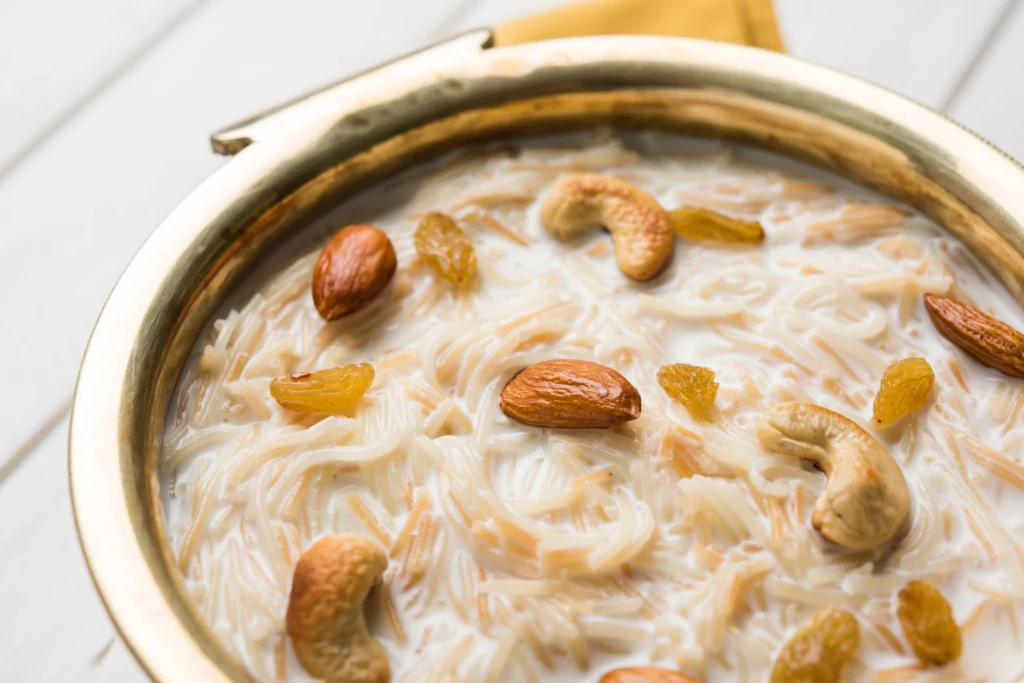
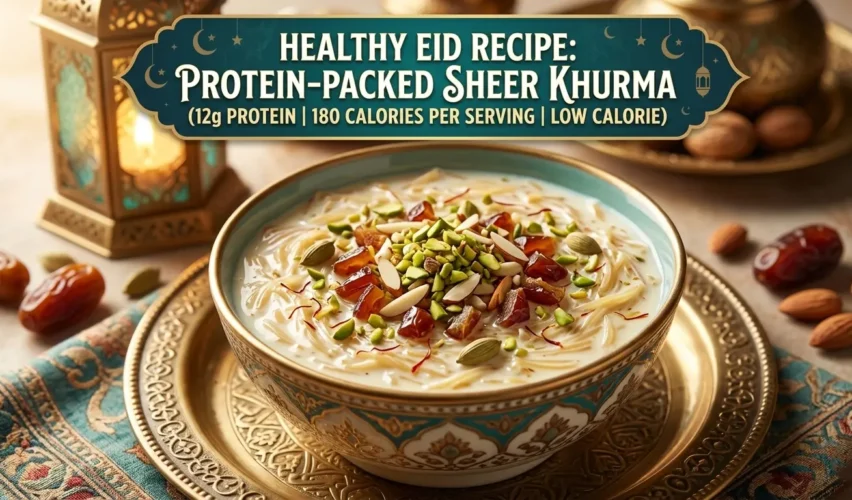
Sheer khurma is the quintessential Eid breakfast, served in homes across South Asia and the Middle East. Traditional versions contain 400 to 600 calories per serving, mostly from sugar and full-fat dairy. This healthy Eid recipe with low calorie version reduces calories by half while increasing protein threefold, creating a breakfast that actually sustains energy through morning Eid prayers and family visits.
Ingredients for 6 Servings:
Two cups unsweetened almond milk, one cup nonfat Greek yogurt, half cup vermicelli (whole wheat if available), three tablespoons chopped dates, two tablespoons slivered almonds, two tablespoons chopped pistachios, one tablespoon rosewater, half teaspoon cardamom powder, pinch of saffron threads soaked in two tablespoons warm almond milk, one tablespoon honey (optional, for additional sweetness).
Instructions:
Lightly toast vermicelli in a dry pan until golden brown. This step adds nutty flavor without adding fat from ghee or oil. Remove from heat and set aside.
In a medium pot, heat almond milk over medium heat until it begins to simmer. Add the saffron with its soaking milk and cardamom powder. Stir to combine. The saffron provides traditional color and flavor without any calories.
Add toasted vermicelli to the simmering almond milk. Cook for 5 to 7 minutes, stirring occasionally, until vermicelli is tender. The vermicelli will absorb liquid and become creamy.
Remove from heat and let cool for 5 minutes. Stir in Greek yogurt thoroughly. The yogurt adds creamy texture and provides 12 grams of protein per serving, transforming this into a genuinely satisfying breakfast rather than just a sugar rush.
Add chopped dates, which provide natural sweetness along with fiber. Dates have cultural significance in Eid celebrations and provide minerals like potassium and magnesium.
Stir in rosewater for traditional aroma. Add honey if you prefer additional sweetness, though the dates often provide enough.
Divide into serving bowls and top each with slivered almonds and chopped pistachios. The nuts add healthy fats, additional protein, and the traditional appearance of sheer khurma.
Chill for at least one hour before serving. Sheer khurma is traditionally served cold, making it a refreshing breakfast on warm Eid mornings.
Nutrition per Serving: 180 calories, 12g protein, 24g carbs, 5g fat
Compare this to traditional sheer khurma at 500 calories, 8g protein, 65g carbs, and 22g fat. This healthy Eid recipe with low calorie version saves 320 calories per serving while providing 50% more protein. The increased protein and reduced sugar means stable energy for hours instead of the crash that comes from traditional versions.
Healthy Eid Recipe with Low Calorie: Grilled Chicken Seekh Kebabs
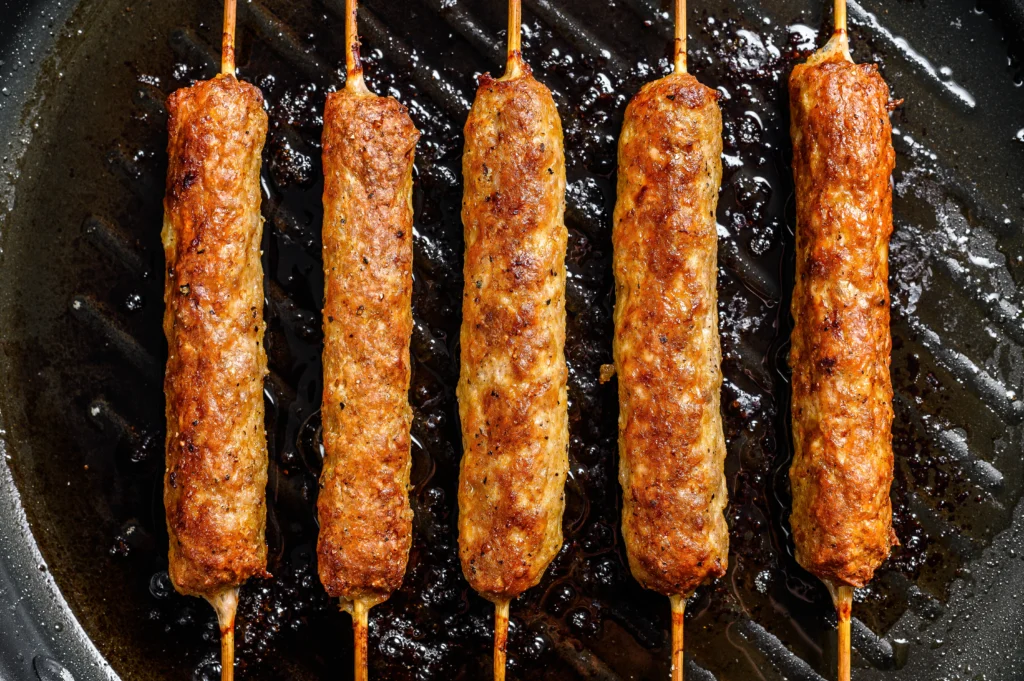
Kebabs are essential to Eid celebrations, but traditional versions fried in ghee or oil add hundreds of unnecessary calories. This healthy Eid recipe with low calorie uses grilling instead of frying and incorporates Greek yogurt for moisture, creating kebabs that taste indulgent while being genuinely nutritious.
Ingredients for 12 Kebabs (6 Servings):
One and a half pounds ground chicken breast (lean, 93% or leaner), half cup plain Greek yogurt, one medium onion finely minced, three cloves garlic minced, one inch fresh ginger minced, two tablespoons fresh cilantro chopped, one tablespoon fresh mint chopped, one teaspoon garam masala, one teaspoon ground cumin, half teaspoon red chili powder (adjust to taste), half teaspoon ground coriander, quarter teaspoon turmeric, one teaspoon salt, juice of half a lemon.
Instructions:
In a large bowl, combine ground chicken with Greek yogurt. The yogurt adds moisture and tanginess while providing protein. It replaces the cream or egg yolks used in traditional recipes.
Add minced onion, garlic, and ginger. These aromatics provide the base flavors essential to South Asian cooking. The onion also adds moisture so the kebabs don’t dry out during grilling.
Add all spices, fresh herbs, salt, and lemon juice. Mix thoroughly with your hands. The mixture should be well combined but not overworked, which can make kebabs tough.
Cover and refrigerate for at least 2 hours, preferably overnight. This marination time allows flavors to develop and the yogurt to tenderize the chicken.
Preheat grill to medium-high heat. If using wooden skewers, soak them in water for 30 minutes to prevent burning.
Divide mixture into 12 portions. With wet hands, mold each portion around a skewer, creating a long, cylindrical kebab about 6 inches long and 1 inch thick. The wet hands prevent sticking.
Grill kebabs for 10 to 12 minutes, turning every 3 minutes to ensure even cooking. The kebabs are done when they reach an internal temperature of 165°F and are no longer pink inside.
Serve hot with mint chutney, lemon wedges, and sliced onions. These kebabs can be the protein centerpiece of your Eid lunch, paired with salad and a moderate portion of rice.
Nutrition per Serving (2 Kebabs): 220 calories, 35g protein, 6g carbs, 6g fat
Traditional fried seekh kebabs made with ground lamb or beef and cooked in oil contain approximately 400 calories, 22g protein, 4g carbs, and 32g fat per serving. This healthy Eid recipe with low calorie version nearly doubles the protein while cutting fat by more than 80%, saving 180 calories per serving. The high protein content means these kebabs are genuinely filling, reducing the temptation to overeat other dishes.
Similar to how a high protein diet for muscle gain emphasizes lean proteins and strategic nutrient timing, these kebabs demonstrate how protein-rich foods create satiety that helps control overall calorie intake during celebrations. The principles of adequate protein intake apply whether you’re building muscle in the gym or navigating a festive meal without overeating.
Healthy Eid Recipe with Low Calorie: Cauliflower Rice Biryani
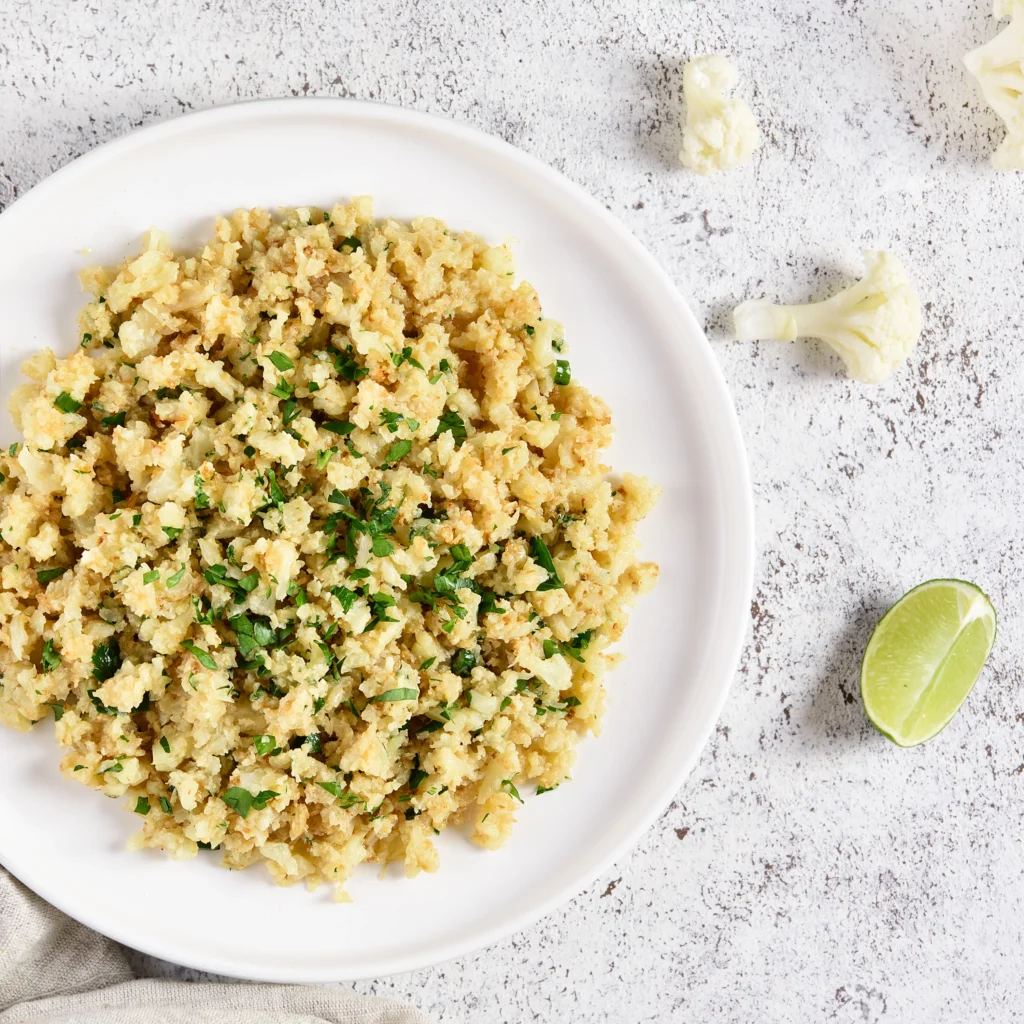
Biryani is the crown jewel of Eid feasts, but traditional versions made with basmati rice, ghee, and cream-based gravies easily contain 600 to 800 calories per serving. This healthy Eid recipe with low calorie substitutes cauliflower rice for half the basmati rice, dramatically reducing calories and carbohydrates while maintaining the layered flavors and textures that make biryani special.
Ingredients for 8 Servings:
One large head cauliflower (riced, about 4 cups), two cups basmati rice, one pound boneless chicken breast or thighs cut into bite-sized pieces, one large onion thinly sliced, three cloves garlic minced, one inch ginger minced, two tomatoes diced, half cup plain Greek yogurt, two tablespoons olive oil (divided), one teaspoon cumin seeds, four cardamom pods, two bay leaves, one cinnamon stick, one teaspoon garam masala, one teaspoon ground coriander, half teaspoon turmeric, quarter teaspoon red chili powder, pinch of saffron soaked in quarter cup warm water, fresh cilantro and mint for garnish, salt to taste.
Instructions:
Rice the cauliflower by pulsing florets in a food processor until they resemble rice grains. Set aside. This creates the low-calorie base that reduces overall carbohydrate content by 50%.
Cook basmati rice according to package directions but reduce cooking time by 2 minutes so rice is slightly underdone. It will finish cooking during the layering process. Drain and set aside.
In a large pot, heat one tablespoon of olive oil over medium heat. Add cumin seeds, cardamom, bay leaves, and cinnamon stick. Toast for 30 seconds until fragrant.
Add sliced onions and cook until deep golden brown, about 15 minutes. This caramelization is crucial for biryani’s signature flavor. Remove half the onions and reserve for topping.
Add garlic and ginger to remaining onions. Cook for 1 minute. Add chicken pieces and cook until no longer pink on the outside.
Add diced tomatoes, Greek yogurt, and all ground spices. The yogurt replaces heavy cream while adding protein and creating a creamy gravy. Cook for 10 minutes until chicken is cooked through and sauce has thickened.
In a separate pan, heat remaining tablespoon of olive oil. Add cauliflower rice and sauté for 3 to 4 minutes until slightly tender but still with some crunch. Season with salt.
Now layer the biryani: Spread half the cauliflower rice in the bottom of a large pot. Top with half the chicken mixture. Add half the basmati rice. Repeat layers. This creates the traditional biryani appearance and texture while incorporating the low-calorie cauliflower rice seamlessly.
Drizzle saffron water over the top layer. Sprinkle with reserved caramelized onions, fresh cilantro, and mint.
Cover pot with tight-fitting lid. Cook on lowest heat for 15 minutes to allow flavors to meld and rice to finish cooking. This dum cooking method is essential to authentic biryani.
Let stand covered for 5 minutes off heat, then gently fluff with a fork, being careful to maintain the layers.
Nutrition per Serving: 320 calories, 24g protein, 38g carbs, 7g fat
Traditional chicken biryani contains approximately 650 calories, 18g protein, 78g carbs, and 28g fat per serving. This healthy Eid recipe with low calorie version saves 330 calories per serving while providing 33% more protein and 50% fewer carbs. The cauliflower rice is virtually undetectable when mixed with basmati rice and aromatic spices, making this an acceptable modification even for traditional family members.
Healthy Eid Recipe with Low Calorie: Date and Nut Energy Balls
Sweets are non-negotiable at Eid. Every household offers guests trays of cookies, barfi, gulab jamun, and other traditional desserts. Refusing every sweet feels rude and deprives you of the celebratory experience. These date and nut energy balls provide a healthy Eid recipe with low calorie sweet option that satisfies tradition and taste while providing protein, healthy fats, and natural sweetness instead of refined sugar.
Ingredients for 24 Balls:
One and a half cups Medjool dates (pitted), one cup raw almonds, half cup raw cashews, quarter cup unsweetened shredded coconut (plus extra for rolling), two tablespoons cocoa powder, one teaspoon vanilla extract, pinch of sea salt, one to two tablespoons water if needed for consistency.
Instructions:
Soak dates in warm water for 10 minutes if they’re not very soft. Drain well. This makes them easier to blend and creates a sticky consistency that holds the balls together.
In a food processor, pulse almonds and cashews until they form a coarse meal. Don’t over-process or they’ll turn to nut butter.
Add dates, cocoa powder, shredded coconut, vanilla extract, and salt. Process until the mixture comes together and forms a sticky dough. If the mixture is too dry, add water one tablespoon at a time until it holds together when squeezed.
Roll mixture into balls about the size of walnuts (approximately one tablespoon each). The small size provides portion control while still feeling indulgent.
Roll each ball in additional shredded coconut, cocoa powder, or finely chopped pistachios for decoration. This creates visual appeal similar to traditional sweets.
Store in an airtight container in the refrigerator for up to two weeks. These actually taste better after sitting overnight as flavors meld.
Nutrition per Ball (2 balls per serving): 140 calories, 4g protein, 18g carbs, 7g fat
Compare this to traditional gulab jamun at 200 calories, 3g protein, 35g carbs, and 6g fat for just one piece, or barfi at 180 calories, 4g protein, 22g carbs, and 9g fat per piece. These energy balls provide similar satisfaction and cultural appropriateness while delivering better nutrition. The dates provide natural sweetness recognized in Islamic tradition (the Prophet Muhammad broke his fasts with dates), making these particularly fitting for Eid celebrations.
Strategic Eid Day Eating Plan Using Healthy Eid Recipe with Low Calorie Options
Having healthy recipes is one thing. Navigating an entire day of celebration requires strategy. This plan uses healthy Eid recipe with low calorie versions while allowing moderate portions of traditional dishes, creating balance between honoring traditions and maintaining health.
6:00am (Pre-Prayer Light Breakfast):
Small bowl of the protein-packed sheer khurma (180 calories, 12g protein). This provides energy for Eid prayers without feeling heavy. The protein creates satiety that prevents overeating during the post-prayer breakfast feast.
9:00am (Post-Prayer Main Breakfast):
One plate with two grilled seekh kebabs, cucumber and tomato salad, one small piece of naan or paratha (240 calories for kebabs, 80 calories for salad, 150 calories for bread = 470 total calories). This substantial breakfast provides protein and satisfaction while keeping calories reasonable.
12:00pm (Family Visit Snacks):
When visiting relatives, accept one or two date and nut energy balls (140 calories) and a cup of unsweetened green tea. Politely decline additional sweets by explaining you’re pacing yourself for the afternoon feast. Most relatives understand and appreciate the consideration.
2:00pm (Main Eid Lunch Feast):
This is the centerpiece meal. Use the strategy of smaller portions of multiple dishes rather than large portions of few dishes. One generous serving of cauliflower rice biryani (320 calories), one small portion of traditional curry or korma (200 calories), cucumber raita made with Greek yogurt (60 calories), small green salad (40 calories), one small piece of naan (75 calories) = 695 total calories. This meal feels abundant and allows you to taste everything without consuming 1500+ calories typical of traditional Eid lunch.
5:00pm (Afternoon Rest/Light Snack if Needed):
If hungry, have a small handful of roasted chickpeas or nuts (120 calories) with mint tea. Often you won’t be hungry yet from the protein-rich lunch.
8:00pm (Evening Gathering Light Dinner):
Small plate with leftover kebabs or chicken, large serving of salad, one date and nut energy ball for dessert (350 calories total). Keep evening light since lunch was substantial.
Day Total: Approximately 1,955 calories, 95g protein
This is reasonable for a celebratory day and includes multiple traditional dishes. Traditional Eid eating often reaches 4,000 to 5,000 calories with minimal protein. This plan provides balance, tradition, and satisfaction while maintaining health consciousness.
Adapting Traditional Family Recipes
Every family has treasured recipes passed down through generations. You can honor these traditions while making them healthier through strategic modifications that maintain essential flavors.
Reduce Oil and Ghee by Half: Most traditional recipes use far more fat than necessary for flavor. Cutting oil or ghee by 50% rarely affects taste noticeably but dramatically reduces calories. One tablespoon of ghee contains 112 calories. Reducing from 4 tablespoons to 2 in a recipe serving 8 people saves 224 calories total, or 28 calories per serving.
Replace Cream with Greek Yogurt: Korma, shahi curries, and many desserts call for heavy cream. Substituting plain Greek yogurt provides similar richness with added protein and fewer calories. One cup of heavy cream contains 800 calories and 5g protein. One cup of Greek yogurt contains 130 calories and 23g protein. This single swap transforms nutritional profiles dramatically.
Use Whole Grains Partially: Replace half the white rice with brown rice or half the all-purpose flour with whole wheat flour. This increases fiber and reduces the glycemic impact without completely changing textures that family members expect.
Increase Vegetable Content: Traditional curries and biryanis often have minimal vegetables. Double or triple the vegetable content, which adds volume, nutrients, and fiber while diluting calorie density. The dish looks more abundant while actually containing fewer calories per serving.
Sweeten with Dates Instead of Sugar: Dates provide sweetness along with fiber, minerals, and cultural significance. Blend soaked dates into desserts instead of using cups of white sugar. This creates healthy Eid recipe with low calorie versions of traditional sweets that still honor the spirit of celebration.
Common Mistakes People Make During Eid Eating
Mistake One: Skipping Meals to Save Calories for the Feast
Some people skip breakfast or eat minimally all day, planning to indulge at the main Eid feast. This backfires spectacularly. Arriving at a feast extremely hungry leads to overeating, poor food choices, and eating too quickly to recognize satiety signals. Eating balanced meals throughout the day using healthy Eid recipe with low calorie options prevents this problem.
Mistake Two: All or Nothing Thinking
Believing that since Eid is a celebration, health consciousness has no place leads to complete abandonment of moderation. The opposite extreme, refusing all traditional foods, makes you miserable and damages the social experience. Balance is the answer. Enjoy traditional foods in reasonable portions while incorporating healthy Eid recipe with low calorie options.
Mistake Three: Drinking Sugary Beverages All Day
Sweet lassi, sugary chai, soft drinks, and juice add hundreds of liquid calories that provide zero satiety. Stick primarily to water, unsweetened tea, and black coffee. Save calories for foods that actually satisfy hunger and provide cultural connection.
Mistake Four: Grazing Mindlessly at Every House Visit
Eid involves visiting multiple relatives, each offering full spreads of food. Accepting full meals or substantial snacks at every house quickly adds thousands of calories. Have a strategy: accept tea or coffee at each house, try one small sweet if pressed, but explain you’re pacing yourself for the next visit. Most relatives appreciate the honesty.
Mistake Five: Giving Up After One Indulgent Meal
If lunch becomes more indulgent than planned, some people throw in the towel and continue overeating for the rest of Eid and even the following days. One heavy meal doesn’t ruin your health. Return to your healthy Eid recipe with low calorie strategy for the next meal and move forward without guilt.
Cultural Sensitivity and Family Dynamics
Implementing healthy Eid recipe with low calorie versions in traditional family settings requires cultural sensitivity. Food represents love, tradition, and family connection. Rejecting dishes can feel like rejecting the person who prepared them.
Frame Changes Positively: Instead of saying “your recipe is unhealthy,” say “I loved your biryani so much that I created my own version I can eat more often.” Position modifications as respect for the original rather than criticism.
Cook and Contribute: Bring your healthy Eid recipe with low calorie dishes to family gatherings. When people taste how delicious they are, many become interested in the modifications. Leading by example is more effective than lecturing.
Accept Small Portions of Traditional Dishes: When your aunt offers her famous gulab jamun, accept one with genuine appreciation. Eat it slowly and enjoy it fully. One gulab jamun won’t derail your health, and the goodwill created by accepting her offering strengthens family bonds.
Educate Younger Generations: Children are more open to new approaches. Involve younger family members in preparing healthy Eid recipe with low calorie versions. This creates new traditions while respecting old ones.
Be Patient With Resistance: Older family members may resist changes to beloved recipes. Don’t argue. Prepare your versions without commentary. Over time, as they see you enjoying celebrations while maintaining health, curiosity often follows.
Final Thoughts on Healthy Eid Recipe
You now understand how to navigate Eid celebrations with balance and joy. You have specific healthy Eid recipe with low calorie versions of classic dishes including protein-packed sheer khurma, grilled seekh kebabs, cauliflower rice biryani, and date energy balls. You know how to structure your Eid day eating to allow traditional foods in moderation while maintaining reasonable calorie intake. Most importantly, you understand that health-conscious eating and cultural celebration aren’t opposites but can coexist beautifully.
Eid is about gratitude, family, and joy. These values aren’t threatened by eating nutritious food. In fact, feeling energized and healthy throughout the celebration enhances your ability to be present with loved ones, participate fully in prayers and traditions, and create meaningful memories. The bloated, uncomfortable feeling from overeating detracts from celebration rather than adding to it.
Start implementing these healthy Eid recipe with low calorie strategies for your next celebration. Choose two or three recipes to try. Observe how your body feels when you balance indulgence with nutrition. Notice how you can fully participate in every aspect of Eid while honoring both your cultural heritage and your health. The goal isn’t perfection. It’s finding sustainable ways to celebrate that bring joy without regret. Eid Mubarak, and may your celebrations be filled with health, happiness, and delicious food that nourishes both body and soul.