You’re training hard, hitting your bodyweight workouts consistently, feeling the burn in your muscles, but the scale isn’t moving and your arms look the same as they did three months ago. You’re frustrated because you’re putting in the work but not seeing the muscle growth you expected. The problem isn’t your training intensity or your genetics. The problem is you’re not eating enough, and specifically, you’re not following a proper high protein diet for muscle gain that provides both the building blocks and the energy surplus your body needs to build new tissue.
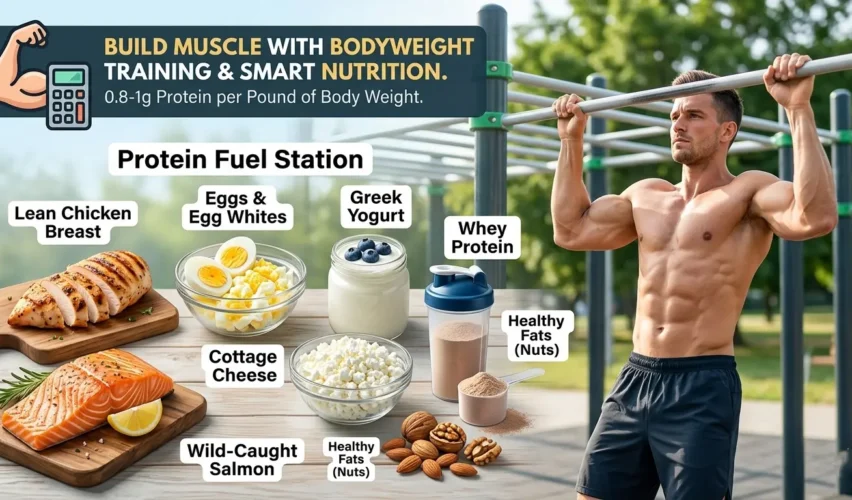
Building muscle requires two non-negotiable elements: progressive resistance training that damages muscle fibers and adequate nutrition that provides the raw materials and energy for repair and growth. You can train perfectly, but if you’re not eating a calorie surplus with sufficient protein, your body has nothing to build with. A strategic high protein diet for muscle gain provides 0.8 to 1 gram of protein per pound of body weight, creates a moderate calorie surplus of 200 to 400 calories above maintenance, and times nutrients around training to maximize muscle protein synthesis.
This isn’t about eating everything in sight or chugging protein shakes all day. It’s about calculated nutrition that supports muscle growth while minimizing fat gain. I’m breaking down the complete high protein diet for muscle gain, including exactly how much protein you need based on your body weight and training intensity, which protein sources build muscle most effectively, how to create a calorie surplus without getting fat, and how to pair your nutrition with bodyweight exercises for maximum muscle growth without needing a gym.
Why a High Protein Diet for Muscle Gain is Non-Negotiable
Your muscles are made of protein. Every muscle fiber consists of thousands of contractile proteins called actin and myosin bundled together. When you train, you create micro-tears in these protein structures. Your body responds by repairing the damage and building additional protein to make the muscle stronger and bigger. This process, called muscle protein synthesis, requires a constant supply of amino acids from dietary protein.
Without adequate protein, muscle protein synthesis cannot exceed muscle protein breakdown. You might maintain your existing muscle mass, but you won’t build new tissue. Research published in the Journal of the International Society of Sports Nutrition shows that individuals following a high protein diet for muscle gain build significantly more lean mass than those eating lower protein, even when training volume is identical. The protein intake is the limiting factor that determines whether training stress leads to growth or just fatigue.
The amount of protein matters tremendously. Eating 0.4 grams per pound of body weight might be enough to prevent muscle loss in sedentary people, but it’s woefully inadequate for someone trying to build muscle. A proper high protein diet for muscle gain provides 0.8 to 1 gram of protein per pound of body weight. For a 150-pound person, that’s 120 to 150 grams daily. For a 200-pound person, it’s 160 to 200 grams. This level ensures you have surplus amino acids available whenever muscle protein synthesis is elevated, which happens for 24 to 48 hours after training.
Protein timing also impacts results. While total daily protein matters most, distributing protein evenly across four to five meals creates more frequent spikes in muscle protein synthesis compared to eating all your protein in one or two meals. A high protein diet for muscle gain typically includes 25 to 40 grams of protein at each meal, maintaining elevated amino acid levels throughout the day and night.
The type of protein influences muscle building effectiveness. Complete proteins containing all essential amino acids, particularly leucine, trigger muscle protein synthesis most powerfully. Animal proteins like chicken, beef, fish, eggs, and dairy are complete proteins with optimal amino acid profiles. Plant proteins can work but often require combining sources to get complete amino acid profiles, and you typically need larger total amounts to achieve the same muscle building effect.
Calculating Your Calorie Surplus for a High Protein Diet for Muscle Gain
Protein provides the building blocks for muscle, but calories provide the energy. Building new tissue requires energy above and beyond what your body needs for basic function and daily activity. This is why a high protein diet for muscle gain must include a calorie surplus. Eating at maintenance calories or in a deficit makes building significant muscle nearly impossible, no matter how much protein you eat.
The size of your surplus matters. Too small and you won’t build muscle optimally. Too large and you’ll gain excessive fat alongside muscle. Research shows that a moderate surplus of 200 to 400 calories above maintenance produces the best ratio of muscle to fat gain. Larger surpluses don’t build muscle faster because muscle growth has a biological speed limit. Extra calories beyond what’s needed for maximum muscle synthesis just get stored as fat.
Step One: Calculate Your Maintenance Calories
Maintenance calories are what you need to maintain your current weight with your current activity level. A reasonable estimate uses the formula: body weight in pounds times 14 to 16. The multiplier depends on activity level. Use 14 if you’re sedentary outside of training. Use 15 for moderate daily activity. Use 16 if you’re very active throughout the day.
Example: A 160-pound person with moderate activity has maintenance calories around 160 times 15 equals 2,400 calories daily. This is your baseline for a high protein diet for muscle gain.
Step Two: Add Your Surplus
Add 200 to 400 calories to your maintenance number. Starting with 250 to 300 calories above maintenance works well for most people. This creates enough surplus for muscle growth without excessive fat gain.
Using the example above: 2,400 plus 300 equals 2,700 calories daily. This is your target for a high protein diet for muscle gain.
Step Three: Set Your Protein Target
Multiply your body weight by 0.8 to 1 to get protein grams. For a 160-pound person, that’s 128 to 160 grams of protein daily. Let’s use 140 grams as the target. Protein contains 4 calories per gram, so 140 grams equals 560 calories from protein.
Step Four: Distribute Remaining Calories Between Carbs and Fats
After accounting for protein calories, you have remaining calories to distribute between carbohydrates and fats. In our example: 2,700 total calories minus 560 protein calories equals 2,140 calories remaining.
A balanced approach might be 60% from carbs and 40% from fats. That’s 1,284 calories from carbs (321 grams) and 856 calories from fats (95 grams). This provides energy for training from carbs and supports hormone production from fats while maintaining the high protein diet for muscle gain foundation.
These numbers aren’t set in stone. Some people build muscle better on higher carbs, others on higher fats. The non-negotiable element is hitting your protein target. Carbs and fats can be adjusted based on personal preference and how you feel during training.
The Best Protein Sources for a High Protein Diet for Muscle Gain
Not all proteins are equal for building muscle. The quality of protein depends on its amino acid profile, digestibility, and leucine content. These protein sources provide the best foundation for a high protein diet for muscle gain.
Chicken breast is the classic bodybuilding protein for good reason. Four ounces provides approximately 26 grams of protein with minimal fat. It’s versatile, affordable, and easy to prepare in bulk. The protein quality is excellent with a complete amino acid profile. You can eat chicken breast twice daily and cover more than half your protein needs for a high protein diet for muscle gain.
Eggs, particularly whole eggs, provide the highest quality protein available. The biological value of eggs is used as the standard against which other proteins are measured. One large egg contains 6 grams of protein. Three whole eggs give you 18 grams. The yolks contain additional nutrients like choline and vitamins that support overall health and hormone production. Don’t fear the yolks when following a high protein diet for muscle gain. The cholesterol and fats support testosterone production.
Greek yogurt delivers concentrated protein with the added benefit of probiotics for gut health. One cup of plain nonfat Greek yogurt provides 15 to 20 grams of protein depending on brand. It’s convenient for breakfast or snacks and pairs well with fruit and nuts. Choose unflavored varieties to avoid added sugars that provide empty calories without supporting muscle growth.
Lean beef provides not just protein but also creatine, iron, zinc, and B vitamins that support training performance and recovery. A four-ounce serving of 93% lean ground beef contains 24 grams of protein. The saturated fat in beef, when consumed in moderation as part of a high protein diet for muscle gain, supports testosterone production. Grass-fed beef provides better omega-3 profiles than conventional beef.
Wild-caught salmon and other fatty fish combine high-quality protein with omega-3 fatty acids that reduce inflammation and support recovery. A four-ounce salmon fillet provides 25 grams of protein plus therapeutic doses of EPA and DHA. Eating fatty fish three times weekly as part of a high protein diet for muscle gain provides muscle-building protein while supporting joint health and reducing exercise-induced inflammation.
Cottage cheese is underrated for muscle building. It’s high in casein protein, which digests slowly and provides sustained amino acid release for hours. One cup of low-fat cottage cheese contains 24 grams of protein. Eating cottage cheese before bed provides amino acids throughout the night when you’re not eating, supporting overnight muscle recovery. This makes it valuable in a high protein diet for muscle gain.
Whey protein powder is the most convenient protein source for hitting daily targets. One scoop typically provides 20 to 25 grams of protein that digests rapidly, making it ideal for post-workout when you want quick amino acid delivery. While whole foods should provide the majority of protein in a high protein diet for muscle gain, protein powder fills gaps when whole food isn’t practical or when you need to hit protein targets without excessive calories.
Plant-based proteins for vegetarians require more planning but work effectively. Combining rice and beans creates a complete amino acid profile. Quinoa is a complete protein by itself. Tofu, tempeh, and edamame from soy provide high-quality plant protein. Seitan (wheat protein) contains an impressive 25 grams of protein per 3.5 ounces. Vegetarians following a high protein diet for muscle gain should combine protein sources and consider slightly higher total protein intake (1 to 1.2 grams per pound) to account for lower digestibility.
Sample High Protein Diet for Muscle Gain Meal Plans
Knowing your targets is one thing. Turning those numbers into actual meals you’ll eat consistently is what makes a high protein diet for muscle gain work in real life. Here are complete day meal plans for different calorie levels.
2,700 Calorie High Protein Diet for Muscle Gain (160lb person)
Meal 1 (7:00am): Breakfast Power Bowl Four whole eggs scrambled, one cup of cooked oatmeal prepared with water, one banana sliced on top of oats, one tablespoon of almond butter mixed into oats. Black coffee.
Macros: 540 calories, 32g protein, 54g carbs, 20g fat
This breakfast provides substantial protein from eggs, complex carbs for energy, and healthy fats. The combination creates sustained energy for morning training or work.
Meal 2 (10:30am): Mid-Morning Protein Snack One cup plain Greek yogurt mixed with half a cup of blueberries and two tablespoons of granola.
Macros: 280 calories, 22g protein, 36g carbs, 5g fat
This snack bridges breakfast to lunch while adding protein and keeping energy stable.
Meal 3 (1:00pm): Lunch High-Protein Plate Six ounces grilled chicken breast, one and a half cups of brown rice, large mixed green salad with olive oil and vinegar dressing, steamed broccoli.
Macros: 640 calories, 52g protein, 72g carbs, 14g fat
This is your largest meal, providing substantial protein and carbs to fuel afternoon training or activity.
Meal 4 (4:00pm): Pre-Workout Fuel Two rice cakes with two tablespoons of peanut butter, one medium apple.
Macros: 320 calories, 10g protein, 42g carbs, 16g fat
This meal times easily digestible carbs and moderate protein before evening bodyweight training.
Meal 5 (7:00pm): Post-Workout Dinner Six ounces baked salmon, one large sweet potato, asparagus roasted in olive oil, small side salad.
Macros: 620 calories, 44g protein, 58g carbs, 22g fat
Post-workout timing takes advantage of elevated muscle protein synthesis. The combination of protein and carbs supports recovery and growth.
Meal 6 (9:30pm): Pre-Bed Protein One cup low-fat cottage cheese with half a cup of pineapple chunks.
Macros: 200 calories, 26g protein, 20g carbs, 3g fat
Cottage cheese provides slow-digesting casein protein that feeds muscles overnight. This final meal completes your high protein diet for muscle gain daily targets.
Daily Totals: 2,600 calories, 186g protein (1.16g per lb), 282g carbs, 80g fat
This plan slightly exceeds the 140g protein target, which is fine. Extra protein doesn’t hurt and provides margin for days when you don’t hit targets perfectly.
3,200 Calorie High Protein Diet for Muscle Gain (200lb person)
For larger individuals or those with higher activity levels, scale everything up proportionally. Increase portions at each meal by 20 to 30%. Add an additional snack between lunch and pre-workout meal. Increase protein servings by one to two ounces at main meals. This scales the high protein diet for muscle gain to match higher calorie needs while maintaining proper macro ratios.
Protein Timing for Maximum Muscle Growth
Total daily protein matters most, but strategic timing optimizes muscle protein synthesis. A high protein diet for muscle gain distributes protein across the day to maintain consistently elevated amino acid levels.
Pre-Workout Protein (1 to 2 hours before training): Eating 20 to 30 grams of protein before training ensures amino acids are available during and immediately after your workout. This doesn’t need to be a large meal, just enough protein to prime muscle protein synthesis. A chicken breast with rice or a protein shake with a banana works perfectly. This pre-workout protein becomes part of your high protein diet for muscle gain strategy.
Post-Workout Protein (within 60 minutes after training): The hour after training is when muscle protein synthesis is most elevated. Consuming 30 to 40 grams of fast-digesting protein during this window maximizes growth stimulus. Whey protein shakes are ideal because they digest rapidly. Alternatively, chicken breast or eggs work if you prefer whole food. Pair protein with carbohydrates post-workout to replenish glycogen and create an anabolic hormonal environment. This post-workout meal is the most important element of timing in a high protein diet for muscle gain.
Before Bed Protein: Muscle protein synthesis continues overnight, but you’re not eating for 8 hours. Consuming 30 to 40 grams of slow-digesting protein before bed provides sustained amino acid release throughout the night. Cottage cheese or casein protein powder are ideal because they digest slowly over several hours. This prevents your body from breaking down muscle tissue for amino acids during the overnight fast. Adding this pre-bed protein significantly enhances results from a high protein diet for muscle gain.
Even Distribution Across Meals: Beyond these three critical times, distribute remaining protein evenly across your other meals. Aim for 25 to 35 grams at breakfast, lunch, and any additional snacks. This creates multiple spikes in muscle protein synthesis throughout the day rather than one large spike if you ate all protein in one meal. Research shows this distributed approach builds more muscle than front-loading or back-loading protein intake.
The mistake people make is eating minimal protein at most meals and then having a huge steak for dinner with 80 grams of protein. Your body can only use about 30 to 40 grams of protein per meal for muscle building. Excess beyond that gets converted to glucose or oxidized for energy. Spreading protein evenly across four to six meals makes every gram count toward muscle growth in your high protein diet for muscle gain.
Bodyweight Exercises That Pair Perfectly With High Protein Diet for Muscle Gain
You don’t need a gym to build significant muscle when you’re following a proper high protein diet for muscle gain. Bodyweight exercises provide sufficient resistance to stimulate muscle growth when performed with proper volume, intensity, and progression. The combination of strategic nutrition and smart training creates impressive results.
Push-Ups and Variations target chest, shoulders, and triceps effectively. Standard push-ups build a foundation, but muscle growth requires progressive overload. Add difficulty with decline push-ups (feet elevated), diamond push-ups for triceps emphasis, or archer push-ups for unilateral work. Aim for 4 sets of 12 to 20 reps. When standard push-ups become easy, switch to harder variations rather than doing endless reps. Progressive resistance drives growth, and your high protein diet for muscle gain provides the nutrients to capitalize on that stimulus.
Pull-Ups and Chin-Ups build back, biceps, and grip strength. These require a pull-up bar but deliver unmatched upper body development. If you can’t do pull-ups yet, start with negative pull-ups (jump to the top position and lower slowly) or use resistance bands for assistance. Work toward 4 sets of 8 to 12 reps. The combination of pull-ups for back thickness and your high protein diet for muscle gain creates impressive upper body development.
Dips hammer triceps, chest, and shoulders. You can do dips between two chairs or using parallel bars at a playground. Keep your body upright to emphasize triceps or lean forward to shift emphasis to chest. Progress by adding a backpack weighted with books or water bottles. Perform 4 sets of 10 to 15 reps. Dips are one of the best bodyweight movements for upper body mass when paired with adequate protein intake.
Squats and Pistol Squats build lower body mass. Bodyweight squats are a starting point, but you’ll quickly need progression. Move to Bulgarian split squats (rear foot elevated), then progress toward pistol squats (single-leg squats). These unilateral variations create enough resistance to drive leg growth. Perform 4 sets of 10 to 15 reps per leg. Your high protein diet for muscle gain supports the recovery these demanding leg exercises require.
Lunges and Jump Lunges complement squats by targeting quads, glutes, and hamstrings from different angles. Walking lunges for distance, reverse lunges, or explosive jump lunges all work. The constant tension on legs from bodyweight lunge variations drives muscle growth when nutrition supports recovery. Do 3 to 4 sets of 12 to 20 reps per leg.
Planks and Core Work build abdominal strength and stability. While planks won’t create visible abs without low body fat, they build core strength that supports all other movements. Progress from standard planks to side planks, then to dynamic planks with shoulder taps or leg lifts. Include 3 sets of 30 to 60 second holds. Strong core function enhances performance in all exercises, allowing you to train harder and benefit more from your high protein diet for muscle gain.
Training Frequency and Volume: For muscle growth, train each muscle group twice per week with 48 hours recovery between sessions. A simple split might be upper body Monday and Thursday, lower body Tuesday and Friday. Perform 12 to 20 sets per muscle group per week total. This volume combined with your high protein diet for muscle gain creates consistent muscle growth without requiring gym equipment.
Carbohydrates in a High Protein Diet for Muscle Gain
While protein gets the attention, carbohydrates play crucial roles in muscle building. Carbs provide energy for training, spare protein from being burned for fuel, and create an anabolic hormonal environment through insulin. A high protein diet for muscle gain includes strategic carbohydrate intake, not carb restriction.
Carbs Fuel Training Performance: High-intensity bodyweight training depletes muscle glycogen. Without adequate carbohydrate intake, your performance suffers. You can’t complete as many reps or sets, and you can’t train with the same intensity. Lower training volume means less muscle growth stimulus, undermining your high protein diet for muscle gain. Eating 2 to 3 grams of carbs per pound of body weight daily ensures full glycogen stores for maximum training performance.
Carbs Spare Protein: When carbohydrate and total calories are inadequate, your body converts protein to glucose for energy through gluconeogenesis. This wastes dietary protein that should build muscle. Adequate carbohydrate intake prevents this, allowing all the protein in your high protein diet for muscle gain to be used for muscle building rather than energy production.
Carbs Create Anabolic Hormonal Environment: Carbohydrates spike insulin, which is the most anabolic hormone in your body. Insulin drives amino acids and glucose into muscle cells, enhances muscle protein synthesis, and blocks muscle protein breakdown. The insulin response from post-workout carbohydrates significantly amplifies muscle growth beyond protein alone. This is why successful high protein diet for muscle gain plans include substantial carbohydrates, particularly around training.
Best Carbohydrate Sources: Choose mostly complex carbohydrates that provide sustained energy: oatmeal, brown rice, quinoa, sweet potatoes, whole grain bread, and pasta. These digest more slowly than simple sugars, providing steady energy for hours. Include fruit for vitamins, minerals, and fiber. Post-workout is the one time when faster-digesting carbs like white rice or white bread work well because you want quick glycogen replenishment. The combination of quality carbs and your high protein diet for muscle gain provides everything your body needs to build muscle efficiently.
Healthy Fats in a High Protein Diet for Muscle Gain
Fats often get squeezed out when people focus on protein and carbs, but fats are essential for muscle building. They support testosterone production, reduce inflammation, provide concentrated calories for your surplus, and help absorb fat-soluble vitamins. A high protein diet for muscle gain includes 20 to 30% of calories from healthy fats.
Fats Support Hormone Production: Testosterone, the primary muscle-building hormone, is synthesized from cholesterol. Very low-fat diets (below 15% of calories) suppress testosterone production, hampering muscle growth. Including adequate healthy fats, particularly from sources like eggs, fatty fish, nuts, and olive oil, maintains optimal testosterone levels. This hormonal support amplifies the muscle-building effects of your high protein diet for muscle gain.
Fats Provide Concentrated Calories: Fat contains 9 calories per gram compared to 4 calories per gram for protein and carbs. When you’re eating a calorie surplus for muscle gain, including moderate fat makes hitting your calorie target easier without feeling stuffed. Two tablespoons of olive oil adds 240 calories. A handful of almonds adds 170 calories. These fat sources help create your surplus without requiring massive food volume.
Best Fat Sources for Muscle Building: Focus on monounsaturated and omega-3 fats: olive oil, avocados, nuts (almonds, walnuts, pecans), seeds (chia, flax, pumpkin), fatty fish, and whole eggs. Include some saturated fat from sources like eggs and lean beef for testosterone support, but emphasize unsaturated fats for overall health. Avoid trans fats from processed foods completely. These healthy fats complement your high protein diet for muscle gain without promoting fat gain when total calories are controlled.
Tracking Progress on a High Protein Diet for Muscle Gain
Building muscle is a slow process. You won’t see dramatic changes week to week. Tracking objective metrics prevents discouragement and helps you adjust your high protein diet for muscle gain based on actual results rather than feelings.
Body Weight: Weigh yourself under consistent conditions (same time of day, same hydration status) three times per week and track the average. On a high protein diet for muscle gain with a 250 to 300 calorie surplus, expect to gain 0.5 to 1 pound per week. Faster weight gain suggests too large a surplus and excessive fat gain. Slower weight gain or no gain means increasing calories by 100 to 200. Weight should trend upward consistently over weeks and months.
Measurements: Measure arms, chest, waist, and thighs monthly. Muscle growth shows up in measurements before it’s obvious visually. Arms and thighs should increase if your high protein diet for muscle gain is working. Waist should stay relatively stable or increase only slightly. Rapidly increasing waist circumference suggests too much fat gain and warrants reducing your calorie surplus.
Progress Photos: Take front, side, and back photos in consistent lighting every two to four weeks. Visual changes are subtle and easily missed in the mirror you see daily. Comparing photos from eight weeks apart often reveals significant muscle development you didn’t notice gradually. These photos document the effectiveness of your high protein diet for muscle gain over time.
Training Performance: Track reps and sets in your bodyweight workouts. Progressive overload is essential for continued muscle growth. If you’re eating properly with your high protein diet for muscle gain, training performance should improve consistently. You should be able to do more reps, progress to harder exercise variations, or reduce rest periods. Stagnant or declining performance despite adequate nutrition suggests overtraining or need for a deload week.
Adjust Based on Results: If you’re gaining weight too fast (more than 1.5 pounds weekly average) and waist measurements are increasing rapidly, reduce your surplus by 100 to 200 calories. If you’re not gaining weight after two weeks, increase calories by 100 to 200. Keep protein consistent at 0.8 to 1 gram per pound regardless of adjustments. The protein target in your high protein diet for muscle gain stays constant while total calories adjust based on individual response.
Common Mistakes People Make With High Protein Diet for Muscle Gain
Mistake One: Not Eating Enough Total Calories
People focus on protein but forget about creating a calorie surplus. You can eat 200 grams of protein daily, but if you’re in a calorie deficit or at maintenance, you won’t build significant muscle. Your body needs surplus energy to build new tissue. Calculate your maintenance calories, add 250 to 350 calories, and track intake for two weeks to ensure you’re actually eating enough. This is the foundation that makes a high protein diet for muscle gain effective.
Mistake Two: Dirty Bulking
Some people hear “calorie surplus” and start eating everything in sight, gaining 3 to 5 pounds per week from pizza, ice cream, and fast food. This creates excessive fat gain that you’ll have to diet off later. A high protein diet for muscle gain emphasizes quality foods and moderate surplus. Gain 0.5 to 1 pound weekly, not 3 to 5 pounds. The slower approach builds more muscle and less fat.
Mistake Three: Inconsistent Protein Intake
Eating 180 grams of protein one day, 80 grams the next, then 150 grams creates inconsistent amino acid availability. Muscle protein synthesis responds to consistent daily protein intake. Hit your protein target every single day, not just on training days. This consistency is what makes a high protein diet for muscle gain work over months and years.
Mistake Four: Training Without Progression
Doing the same bodyweight workout with the same reps and sets for months provides no new stimulus for growth. Your body adapts to the stress and stops growing. Progress to harder exercise variations, add reps, reduce rest periods, or add weight with a backpack. Progressive overload combined with your high protein diet for muscle gain creates continued muscle development.
Mistake Five: Not Sleeping Enough
Muscle growth happens during recovery, primarily during sleep. Growth hormone is released during deep sleep, and muscle protein synthesis is elevated overnight if you’ve eaten properly. Getting only 5 to 6 hours of sleep undermines your high protein diet for muscle gain by impairing recovery and suppressing anabolic hormones. Prioritize 7 to 9 hours of quality sleep nightly.
Supplements That Enhance High Protein Diet
Whole food should provide the majority of nutrition, but certain supplements offer proven benefits for muscle building when combined with a high protein diet for muscle gain.
Whey Protein Powder is the most convenient way to hit protein targets. One scoop provides 20 to 25 grams of fast-digesting protein that’s perfect post-workout. While not essential, protein powder makes consistently hitting protein targets much easier, especially for people with small appetites or busy schedules. Choose a quality whey concentrate or isolate without excessive additives.
Creatine Monohydrate is the most researched and effective muscle-building supplement. Five grams daily increases muscle creatine stores, allowing you to complete more reps during training and supporting muscle protein synthesis. Creatine adds 2 to 5 pounds of lean mass over 8 to 12 weeks when combined with training and a high protein diet for muscle gain. It’s safe, inexpensive, and works for most people.
Beta-Alanine buffers muscle acidity during high-intensity exercise, allowing you to train harder and longer before fatigue. Four grams daily increases muscle carnosine levels over several weeks. The enhanced training capacity translates to more muscle growth when nutrition supports recovery. Beta-alanine amplifies the results from your high protein diet for muscle gain by improving training performance.
Branched-Chain Amino Acids (BCAAs) can help if you train fasted or have very long gaps between protein-containing meals. BCAAs, particularly leucine, directly stimulate muscle protein synthesis. However, if you’re eating adequate total protein throughout the day with your high protein diet for muscle gain, BCAAs provide minimal additional benefit. They’re useful in specific situations but not essential for most people.
Multivitamin and Fish Oil cover nutritional bases. A quality multivitamin ensures you’re not deficient in micronutrients needed for muscle recovery and protein synthesis. Fish oil providing 1 to 2 grams of EPA plus DHA daily reduces inflammation and supports recovery. While not muscle builders directly, they optimize the environment for your high protein diet for muscle gain to work effectively.
These supplements enhance results but can’t replace proper nutrition. Focus first on consistently eating adequate protein and calories. Add supplements strategically after the dietary foundation is solid.
Final Thoughts on Following a High Protein Diet
You now understand the complete system for building muscle with nutrition. You know that a high protein diet for muscle gain requires 0.8 to 1 gram of protein per pound of body weight distributed across four to six meals daily. You understand how to calculate your calorie surplus, which protein sources build muscle most effectively, and how to time nutrients around bodyweight training for maximum growth.
Building muscle is a marathon, not a sprint. You won’t see dramatic changes in two weeks. But after eight to twelve weeks of consistently following a high protein diet for muscle gain paired with progressive bodyweight training, the changes become obvious. Your arms get bigger. Your chest and back develop visible muscle. Your legs grow. The scale moves up while your body composition improves.
Start implementing these strategies this week. Calculate your calorie target and protein needs. Plan your meals around the examples provided. Track your bodyweight and training performance. Adjust based on results. The combination of strategic nutrition and consistent training produces reliable muscle growth that transforms your physique over months and years. Once you experience the difference that proper nutrition makes, you’ll never go back to training without supporting it with a high protein diet for muscle gain.
Learn: Foods That Boost Metabolism