
You finish your leg workout feeling strong, but within hours your stomach is bloated and uncomfortable. Your clothes fit differently. You feel sluggish despite eating what should be a healthy meal. This bloating isn’t weakness or failure. It’s your digestive system struggling with foods that trigger fermentation and water retention. The right anti bloating diet plan changes everything by strategically choosing foods that keep your digestive system calm while supporting your training recovery.
A proper diet plan works because it addresses the actual mechanisms that cause bloating. Most bloating comes from fermentable carbohydrates (FODMAPs) that your small intestine can’t absorb, drawing water into your gut and feeding harmful bacteria. An anti-bloating diet plan focuses on low-FODMAP options that digest quickly without creating gas or water retention. Combined with leg workout timing and proper nutrition strategies, this anti bloating diet plan eliminates bloating while maintaining the calories and nutrients your body needs for recovery and performance.
I’m sharing the complete anti-bloating diet plan that works specifically for athletes, including which FODMAP-light foods to prioritize, how to time your meals around leg training, and a full day of eating using the anti-bloating diet plan that maintains energy and recovery without the uncomfortable distension that sabotages your progress.
Why Your Stomach Bloats After Leg Workouts
Bloating happens through multiple mechanisms that come together perfectly to create that uncomfortable full feeling. When you eat high-FODMAP foods, your small intestine cannot absorb these fermentable carbohydrates completely. They pass into your colon where bacteria ferment them, producing gas (hydrogen, methane, and carbon dioxide). This gas creates physical bloating and distension. Additionally, FODMAP foods draw water into your intestines through osmotic pressure, causing water retention in your digestive tract that adds physical volume and weight.
After leg training, your digestive system is already stressed. Blood flow is diverted from your stomach to your working muscles. Cortisol is elevated from the intense workout, slowing gastric emptying. Your intestines are less efficient at moving food through. If you consume high-FODMAP foods post-leg-workout, the combination of compromised digestion plus fermentable carbohydrates creates significant bloating. This is where a smart anti-bloating diet plan becomes critical. An anti-bloating diet plan uses low-FODMAP foods that your intestines can digest completely without producing gas, paired with proper timing around your training.
Research from the Journal of Gastroenterology and Hepatology shows that low-FODMAP diets reduce bloating by 70 percent in susceptible individuals within just two to three weeks. An anti bloating diet plan produces results faster than most people expect because it directly addresses the food components causing the problem.
FODMAPs are fermentable carbohydrates that your small intestine struggles to absorb. An anti-bloating diet plan eliminates or minimizes these compounds entirely.
Gas production happens when bacteria ferment unabsorbed carbohydrates in your colon. An anti-bloating diet plan prevents fermentation by choosing easily absorbed foods.
Water retention follows osmotic pressure when your gut contains high-FODMAP foods. An anti-bloating diet plan avoids this water retention through food selection.
Post-workout digestion is compromised for 60 to 90 minutes after intense leg training. An anti-bloating diet plan times low-FODMAP meals perfectly around this window.
Low-FODMAP Foods That Form Your Anti-Bloating Diet Plan Foundation
Your anti-bloating diet plan is built on low-FODMAP foods that your digestive system can handle completely. These foods digest quickly, produce no gas, and allow your gut to recover from the stress of intense training. Understanding which foods work becomes the key to implementing an effective anti-bloating diet plan.
Lean Proteins in Your Anti-Bloating Diet Plan
All plain meats, fish, and poultry are completely low-FODMAP and central to any anti-bloating diet plan. Chicken breast, turkey, beef, pork, salmon, cod, and white fish all digest easily without causing bloating. These proteins provide essential amino acids for leg workout recovery while being gentle on your digestive system. An anti bloating diet plan includes generous protein portions at every meal because protein doesn’t trigger fermentation.
Protein for Your Anti-Bloating Diet Plan: Aim for 25 to 35 grams of protein per meal in your anti-bloating diet plan. Choose plain preparations without high-FODMAP sauces or marinades. Grilled chicken, baked salmon, or lean ground beef work perfectly in an anti bloating diet plan. The digestibility of these proteins makes them ideal choices for your bloating relief strategy.
Vegetables That Support Your Anti-Bloating Diet Plan
Not all vegetables are created equal in an anti-bloating diet plan. High-FODMAP vegetables like onions, garlic, mushrooms, and cruciferous vegetables cause bloating. Your anti bloating diet plan focuses on low-FODMAP options that provide nutrients without gas production. Carrots, zucchini, bell peppers (green and red), spinach, lettuce, and green beans are all low-FODMAP vegetables that belong in your anti-bloating diet plan. These vegetables provide fiber, vitamins, and minerals without triggering the fermentation that causes bloating.
Vegetables for Your Anti-Bloating Diet Plan:Fill half your plate with low-FODMAP vegetables in your anti bloating diet plan. Aim for at least two to three different types per meal. Serve them raw or lightly cooked to preserve digestibility. An anti bloating diet plan with abundant vegetables provides satiety and nutrients without compromising your bloating relief goals.
Grains That Work in Your Anti-Bloating Diet Plan
White rice, white bread, and plain pasta are all low-FODMAP and work well in an anti-bloating diet plan for post-leg-workout meals. Whole grains and brown rice are higher in fiber which can trigger bloating in sensitive individuals, making white varieties better choices in your anti bloating diet plan. Oats are also low-FODMAP and work well in your anti-bloating diet plan as a breakfast option. An anti bloating diet plan uses these refined carbohydrate sources strategically for leg workout recovery without the fermentation risk of whole grains.
Grains for Your Anti Bloating Diet Plan:Use white rice or white bread as your carbohydrate source in your anti-bloating diet plan. Limit portion sizes to avoid overloading your digestive system even though these are low-FODMAP. Your anti-bloating diet plan keeps grain portions moderate (one serving per meal) combined with protein and vegetables for balanced meals.
Fruits in Your Anti-Bloating Diet Plan
Most fruits are high in FODMAPs and cause bloating. However, some low-FODMAP options work in an anti bloating diet plan. Bananas, oranges, strawberries, and blueberries are low-FODMAP fruits that provide sweetness and nutrients without causing gas. Fruits to avoid in your anti bloating diet plan include apples, pears, stone fruits, and dried fruits which contain significant FODMAPs. An anti-bloating diet plan uses fruits strategically and in smaller portions than people typically consume.
Fruits for Your Anti-Bloating Diet Plan:Include one low-FODMAP fruit daily in your anti-bloating diet plan, typically as a post-leg-workout snack. A banana or handful of berries work well. Your anti-bloating diet plan limits fruit portions because even low-FODMAP fruits contain natural sugars that can contribute to bloating if consumed in excess.
Healthy Fats for Your Anti-Bloating Diet Plan
Pure fats and oils are completely low-FODMAP and essential in your anti-bloating diet plan. Olive oil, coconut oil, and butter digest easily without causing bloating. Nuts and seeds are mostly low-FODMAP though portion sizes matter in your anti-bloating diet plan. Almonds, walnuts, and macadamia nuts work well. Peanut butter is low-FODMAP in your anti bloating diet plan as long as it contains only peanuts and salt with no added ingredients. An anti bloating diet plan includes healthy fats for satiety and nutrient absorption without any bloating risk.
Fats for Your Anti-Bloating Diet Plan:Use olive oil liberally in your anti-bloating diet plan. Include a small handful of nuts or one to two tablespoons of nut butter daily. Your anti bloating diet plan uses fats strategically to improve satiety and nutrient absorption without adding gas or water retention.
Timing Your Anti-Bloating Diet Plan Around Leg Workouts
When you eat matters as much as what you eat in your anti bloating diet plan. Timing meals strategically around leg training prevents post-workout bloating while ensuring proper recovery nutrition. Your anti bloating diet plan adjusts meal size and composition based on your training schedule to maintain energy and reduce digestive stress.
Anti Bloating Diet Plan Around Leg Day
4 to 5 Hours Before Leg Workout: Eat a balanced meal of protein, low-FODMAP vegetables, and rice or white bread. Your anti-bloating diet plan keeps this meal substantial enough to fuel training without overwhelming your digestive system before intense exercise.
1 to 2 Hours Before Leg Workout: Have a light snack following your anti-bloating diet plan. Banana with almond butter or a few crackers with plain chicken work well. Keep this snack small to avoid stomach distension during training.
Immediately Post-Leg-Workout (First 30 Minutes): This is when your anti-bloating diet plan includes its largest carbohydrate portion. Eat white rice, white bread, or pasta with lean protein. Your digestive system can handle this meal volume because your muscles are primed for glucose uptake. Your anti bloating diet plan takes advantage of this window to replenish glycogen without creating bloating.
2 to 3 Hours Post-Leg-Workout: Have your main dinner meal following your anti bloating diet plan. Include protein, low-FODMAP vegetables, and moderate carbohydrates. Your digestive system has recovered enough to handle a normal meal without significant bloating risk.
Evening and Next Morning: Continue your anti bloating diet plan with regular meals and snacks, spacing them appropriately to avoid overwhelming your digestive system. Most people find they need slightly larger portions post-leg-day, which your anti bloating diet plan accommodates through its meal timing strategies.
A Complete Day on Your Anti-Bloating Diet Plan
Here is what eating looks like when following an anti-bloating diet plan for someone training legs today and resting tomorrow.
Leg Day Using an Anti-Bloating Diet Plan
7:00am Breakfast (Anti Bloating Diet Plan): Three scrambled eggs with spinach, two slices white toast, small banana, herbal tea. This breakfast follows your anti-bloating diet plan by including easily digestible protein and carbohydrates without any high-FODMAP foods.
10:00am Snack (Anti Bloating Diet Plan): Rice cakes with almond butter and berries. This snack maintains your anti-bloating diet plan by using low-FODMAP carbs and fat without triggering bloating before your leg workout.
1:00pm Lunch (Anti Bloating Diet Plan): Grilled chicken breast, one cup white rice, steamed carrots and green beans, olive oil drizzle. This meal aligns perfectly with your anti bloating diet plan for pre-workout fueling.
4:00pm Pre-Workout (Anti Bloating Diet Plan): One banana with one tablespoon almond butter. This small snack supports your leg workout without overloading your digestive system, staying true to your anti bloating diet plan.
5:30pm Leg Workout: 60 minutes of intense leg training.
6:15pm Post-Workout (Anti Bloating Diet Plan): This is your largest meal of the day in your anti-bloating diet plan. Salmon (six ounces), white rice (one to one point five cups), steamed zucchini, olive oil. The carbohydrate portion is maximized here because your muscles are primed for glucose uptake. Your anti-bloating diet plan takes advantage of this window when bloating risk is minimal.
9:00pm Evening (Anti Bloating Diet Plan): If hungry, have herbal tea or a small portion of protein like plain chicken or yogurt. Your anti-bloating diet plan keeps evening meals light to support overnight digestion and comfortable sleep.
This complete day demonstrates how your anti bloating diet plan strategically uses meal timing around leg training to maximize recovery while minimizing bloating throughout your day.
Connecting Your Anti-Bloating Diet Plan to Overall Digestive Recovery
Beyond immediate bloating relief, your anti bloating diet plan supports comprehensive digestive recovery. When you implement your anti bloating diet plan, you’re not just reducing gas and water retention. You’re also healing your gut lining, rebalancing your microbiome, and restoring your digestive system to optimal function. After several weeks of following your anti bloating diet plan, many people find they can gradually reintroduce higher-FODMAP foods as their digestive system heals. Your anti bloating diet plan is the foundation for long-term digestive wellness, not necessarily a permanent restriction.
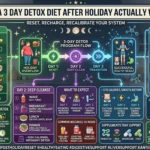
For a comprehensive approach to digestive health beyond just bloating relief, consider the 3-day detox diet after holiday which complements your anti bloating diet plan by providing a deeper digestive reset when needed. Your anti bloating diet plan handles daily bloating prevention, while periodic detox strategies support major digestive system recovery.
Mistakes People Make When Starting an Anti Bloating Diet Plan
Mistake One: Not Eating Enough in Your Anti-Bloating Diet Plan Some people think an anti bloating diet plan requires eating very little. Actually, you can eat generously of low-FODMAP foods. Your anti-bloating diet plan provides plenty of food and calories, just from different sources than a standard diet. Include adequate protein, vegetables, and carbohydrates in your anti-bloating diet plan for energy and recovery.
Mistake Two: Over-Relying on Supplements in Your Anti-Bloating Diet Plan While digestive enzymes and probiotics can help, food selection is the foundation of your anti bloating diet plan. Choose the right foods through your anti-bloating diet plan first, then add supplements only if needed after seeing how your body responds.
Mistake Three: Mixing High-FODMAP Foods in Your Anti Bloating Diet Plan Eating one high-FODMAP food defeats your anti bloating diet plan. Be strict during the first two to four weeks. Your anti bloating diet plan works because it eliminates trigger foods completely during this period. After bloating improves dramatically, you can slowly test reintroduction.
Mistake Four: Not Timing Meals Properly in Your Anti Bloating Diet Plan Your anti bloating diet plan depends on strategic timing around leg workouts. Eating your largest meal at night instead of post-leg-workout undermines your anti bloating diet plan’s benefits. Follow the timing recommendations in your anti bloating diet plan for optimal results.
Mistake Five: Assuming All Low-Calorie Foods Fit Your Anti Bloating Diet Plan Some low-calorie options are high in FODMAPs and will cause bloating despite being diet foods. Your anti bloating diet plan focuses on low-FODMAP foods, not necessarily low-calorie options. Include adequate fats and proteins for satiety and performance.
Research Supporting Your Anti Bloating Diet Plan
The science behind low-FODMAP nutrition for bloating relief is comprehensive and well-established. Here’s where the evidence for your anti bloating diet plan comes from:
- Journal of Gastroenterology and Hepatology: Low-FODMAP Diet Efficacy Research showing how your anti bloating diet plan reduces bloating by 70 percent in sensitive individuals
- American Journal of Clinical Nutrition: FODMAP and Digestive Health Evidence supporting the mechanisms behind your anti bloating diet plan’s effectiveness
- Nutrients Journal: Athletes and Low-FODMAP Nutrition Specific research on how your anti bloating diet plan benefits athletes and active individuals
- Expert Interview: Sports Nutrition and Digestive Wellness Professional insight from registered nutritionist specializing in digestive health for active populations
Your Anti Bloating Diet Plan Starts Today
You now have the complete anti bloating diet plan to eliminate post-leg-workout bloating. You understand which low-FODMAP foods your digestive system can handle completely. You know exactly how to time your anti bloating diet plan around your leg training for maximum recovery and minimum bloating. You have a complete day of eating to follow immediately, showing exactly how your anti bloating diet plan works in practice.
Implement your anti bloating diet plan for two to four weeks following the strategies outlined above. Track how your stomach feels, how your clothes fit, and how your energy improves. Most people see dramatic bloating reduction within one week of starting their anti bloating diet plan. Within four weeks, digestive comfort is typically restored completely. Your anti bloating diet plan proves that bloating isn’t inevitable or something you have to accept. It’s a signal your digestive system needs the right foods, and your anti bloating diet plan provides exactly those foods.
For deeper digestive system support beyond bloating relief, periodically incorporate the 3-day detox diet after holiday strategy to reset your digestive system. Your anti bloating diet plan is your daily foundation for bloating prevention, while periodic detox supports major system recovery. Together, these strategies create comprehensive digestive wellness that supports your training performance and overall health.